Aviation Safety is running into an environmental compliance paradox



This article has been supplied and will be available for a limited time only on this website.
By: Nkosinathi Myataza - King Shaka International Airport General Manager
For decades, bird strikes have been treated primarily as an aviation safety concern, managed within wildlife hazard programmes and addressed through established operational procedures. While safety remains the industry’s foremost priority, the growing frequency and operational consequences of wildlife strikes suggest that airports and airlines may need to rethink how the risk is framed.
Bird strikes are increasingly becoming a challenge to operational continuity.
Recent data from the US Federal Aviation Administration recorded more than 22,000 wildlife strike incidents in 2024, a year-on-year increase that outpaced growth in aircraft movements. Birds account for the overwhelming majority of these events. While most do not result in catastrophic outcomes, their operational consequences extend far beyond the safety incident itself.
A single strike can trigger unscheduled maintenance, aircraft inspections, flight delays, diversions, and, in some cases, aircraft-on-ground events. These disruptions are often short in duration but high in cumulative cost, affecting airline reliability, network efficiency and passenger experience across tightly interconnected aviation systems.
In an industry defined by precision scheduling and narrow operational margins, even minor disruptions can cascade across entire networks. This is why wildlife risk is increasingly being recognised as an operational continuity issue rather than a purely safety-focused concern.
Over the past decade, airports have strengthened their focus on maintaining continuity in response to a growing range of disruptions, including extreme weather events, infrastructure constraints, cyber threats and supply chain pressures. Wildlife risk now sits within the same operational category.
Unlike many infrastructure-related risks, bird activity cannot be engineered out of the airport environment. Airports operate within living ecosystems shaped by migration routes, seasonal cycles, feeding patterns, land use changes and climatic conditions. These variables are dynamic and increasingly influenced by broader environmental shifts.
Climate variability is adding further complexity. Changes in rainfall patterns, temperature fluctuations and habitat conditions can alter bird behaviour and movement patterns in ways that are difficult to predict using traditional monitoring approaches. At the same time, urban expansion around airport precincts continues to reshape natural habitats, increasing interaction between aviation operations and wildlife activity.
The result is a risk environment that is becoming more dynamic and less predictable at the point of operational decision-making.
This is particularly relevant in regions such as Africa, where many airports operate within biodiversity-rich environments characterised by seasonal migration patterns and diverse bird populations. In South Africa, for example, wildlife hazard management has become an established operational discipline supported by ongoing collaboration between airport operators, environmental specialists and researchers to better understand bird activity and strengthen mitigation strategies.
These environments highlight a broader reality. Wildlife risk is not an occasional disruption. It is a continuous operational variable.
Traditional wildlife management programmes remain essential. Habitat management, patrols, visual deterrents and monitoring systems continue to form the backbone of airport wildlife control. However, many operators are recognising that these measures alone are no longer sufficient in environments where operational performance depends on anticipating risk rather than reacting to it.
This has driven a shift towards more data-informed approaches to wildlife management across the global aviation sector.
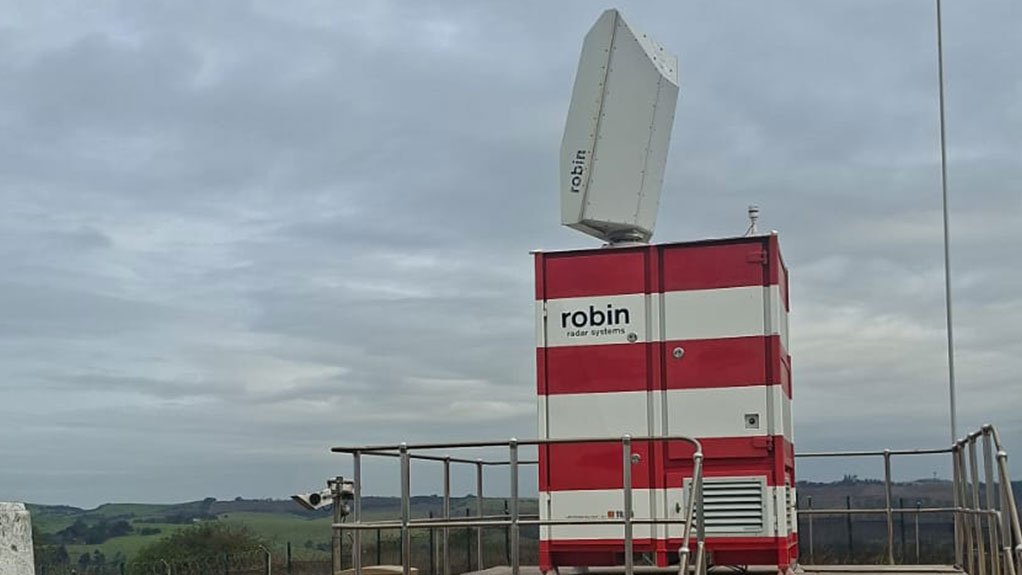
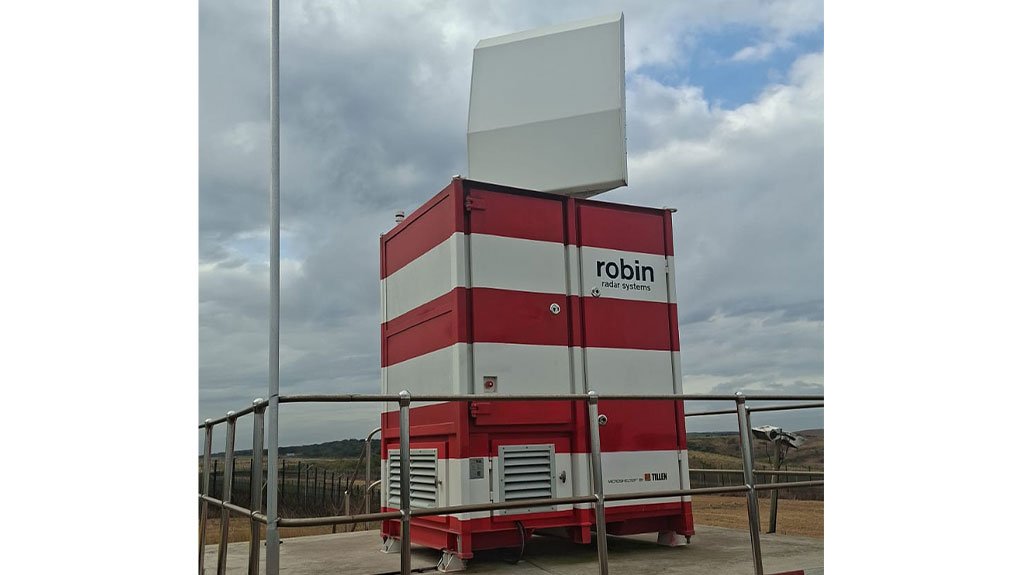
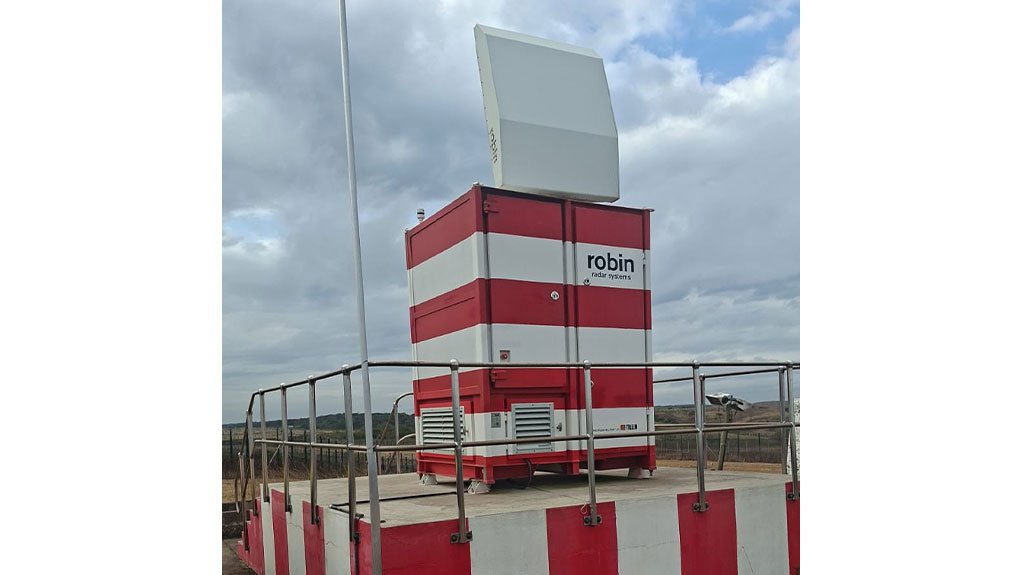
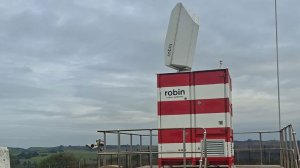
Airports are increasingly investing in systems that improve visibility of bird movement patterns, flight behaviour and activity trends. The objective is not only improved response capability but enhanced situational awareness that allows operational teams to identify risk earlier in its development cycle.
This represents a broader shift in aviation operations. Data is now central to how airports manage risk, allocate resources and maintain operational stability under pressure. Wildlife management is increasingly following the same trajectory as other disruption-sensitive systems.
The value of this shift extends beyond safety outcomes. Improved understanding of wildlife activity supports better operational planning, reduces uncertainty for airlines and helps airports manage one of the few operational risks that originates outside controlled infrastructure environments.
For airlines, this translates into improved schedule reliability and reduced exposure to disruption. For airports, it strengthens their ability to maintain steady performance in increasingly complex operating conditions.
However, technology alone does not resolve the challenge.
Effective wildlife risk management requires integration between environmental expertise, operational decision-making, regulatory frameworks and data-driven insight. Success depends on understanding local ecological conditions and embedding that understanding into daily airport operations rather than treating it as a parallel function.
This is also driving increased collaboration between airports, regulators, research institutions and technology providers. As wildlife risks become more complex and interconnected, the ability to share data, research and operational intelligence will become increasingly important.
What is emerging is a more mature understanding of wildlife risk across the aviation industry. Bird strikes are no longer best understood as isolated safety events. They are indicators of a broader operational challenge that sits at the intersection of safety, efficiency, environmental conditions and network stability.
The aviation industry has invested heavily in systems designed to anticipate and absorb disruption. Wildlife risk now needs to be fully integrated into that broader operational framework.
As airports continue to expand, passenger expectations increase, and operational margins tighten, the question is no longer whether wildlife hazards can be managed. The question is how effectively airports can integrate wildlife intelligence into systems that protect safety, sustain reliability and ensure uninterrupted operations.
In an industry where operational performance is becoming a defining measure of success, that distinction is increasingly critical.
Article Enquiry
Email Article
Save Article
Feedback
To advertise email advertising@creamermedia.co.za or click here
Research Reports

Projects


Latest Multimedia


Latest News


Showroom

ZF Aftermarket is the after-sales division of the world-renowned German ZF group, a global leader in mobility technology.
VISIT SHOWROOM




Press Office
Announcements
What's On
Subscribe to improve your user experience...
Option 1 (equivalent of R125 a month):
Receive a weekly copy of Creamer Media's Engineering News & Mining Weekly magazine
(print copy for those in South Africa and e-magazine for those outside of South Africa)
Receive daily email newsletters
Access to full search results
Access archive of magazine back copies
Access to Projects in Progress
Access to ONE Research Report of your choice in PDF format
Option 2 (equivalent of R375 a month):
All benefits from Option 1
PLUS
Access to Creamer Media's Research Channel Africa for ALL Research Reports, in PDF format, on various industrial and mining sectors
including Electricity; Water; Energy Transition; Hydrogen; Roads, Rail and Ports; Coal; Gold; Platinum; Battery Metals; etc.
Already a subscriber?
Forgotten your password?
Receive weekly copy of Creamer Media's Engineering News & Mining Weekly magazine (print copy for those in South Africa and e-magazine for those outside of South Africa)
➕
Recieve daily email newsletters
➕
Access to full search results
➕
Access archive of magazine back copies
➕
Access to Projects in Progress
➕
Access to ONE Research Report of your choice in PDF format
RESEARCH CHANNEL AFRICA
R4500 (equivalent of R375 a month)
SUBSCRIBEAll benefits from Option 1
➕
Access to Creamer Media's Research Channel Africa for ALL Research Reports on various industrial and mining sectors, in PDF format, including on:
Electricity
➕
Water
➕
Energy Transition
➕
Hydrogen
➕
Roads, Rail and Ports
➕
Coal
➕
Gold
➕
Platinum
➕
Battery Metals
➕
etc.
Receive all benefits from Option 1 or Option 2 delivered to numerous people at your company
➕
Multiple User names and Passwords for simultaneous log-ins
➕
Intranet integration access to all in your organisation